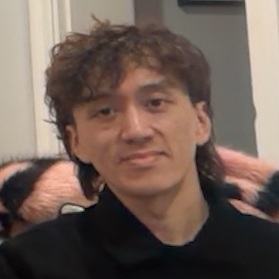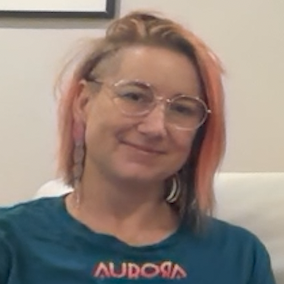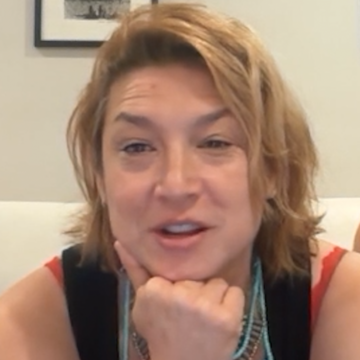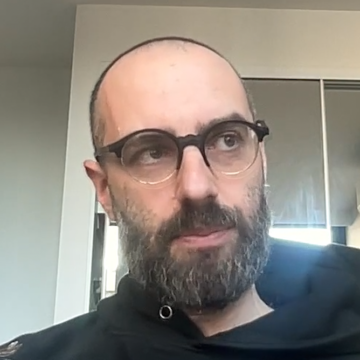


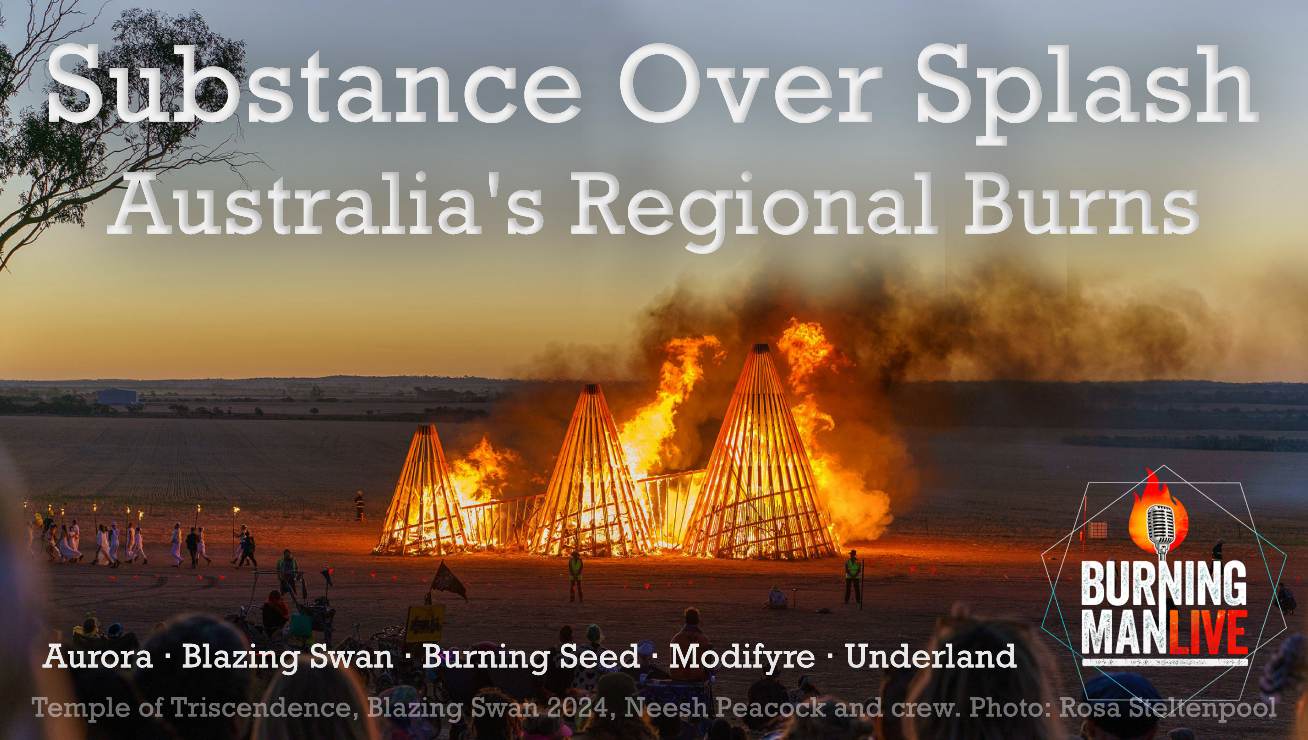
5 leaders from the 5 Regional Burns of Australia!
They focus on collaboration more than contraptions, connection more than complexity.
· Aurora, Tasmania: Lara, aka Squeaky Queen, on the logistics of being an island off an island.
· Blazing Swan, Western Australia: Shaz on navigating extreme weather with 3,700 friends.
· Burning Seed, New South Wales: Leanna, aka Mama, on restructuring into a member-owned organization.
· Modifyre, Queensland: Chau on the bonds built with a 10% annual growth cap.
· Underland, Victoria: Marty on trading a “crisis of imagination” for accountability.
These movers & shakers go a mile deep into the dust, the heart, and the deets of Australia’s radical experiments in community.
They acculturate through one on one connections and Burning Pubs.
They embrace Positive Impact more than Leave No Trace.
They aspire to the 10 Principles and the 11th, and even the 12th.
See how this culture takes root, travels, and morphs year-round. Community is built through word of mouth, so that the space they create allows us to show up as our whole human selves.
Open your mind upside down, and laugh along with these larrikins and their playful perceptions.
burningman.org/global/burning-man-regional-network/australia
Transcript
LEANNA: Australians are afraid of authorities, so we’re always going to push the envelope here.
SHAZ: Every time!
LEANNA: As an American, I feel like I can say that.
STUART: Hey, welcome back everybody, all my invisible friends out there all over the planet. We have an interplanetary episode today. I will be talking with some folks on the – pretty much on the opposite side of the orb from where I am currently perching my butt. This episode actually has, I think, five times the star power of your typical Burning Man LIVE episode, because I’ve got five, count ‘em, five folks from the Australia and New Zealand part of the globe to talk about some of their activities. Some of their Burnerness, four of them at least, are currently at the BoNZA Summit, which is the Burners of New Zealand and Australia.
- I have Chau from Queensland and the event Modifyre.
- I have Leanna, aka Mama, here from Burning Seed in New South Wales.
- Lara is here from the People’s Art Collective for Aurora, Aurora Burn, down in Tasmania
- Marty from Common Arts in Underland, down in Victoria, with some help from Melbourne
- And Shaz from Blazing Swan, Western Australia.
Hi everybody I’m Stuart.
Welcome everyone. So, I’m intrigued with BoNZA. I want to know what the vibe is like there. Is it just family reunion? Is it just all of you getting to see each other for the one time in the year, or is it more strategic conferencing? Where are you at?
LEANNA: I think it’s a bit of both, Stuart, or a bit of all of those things. So BoNZA started in 2017 and it’s a, you know it’s a meeting point of convergence of all leaders, artists, movers and shakers, within the Australia and New Zealand, and even China and surrounds, Burner organizations. So we meet annually. It’s a family reunion. It’s a bit, you know, post-apocalyptic war stories, trauma bonding, but also really strategic. So it’s a really special time for us all to come together and grow and learn from one another and hang out.
STUART: Oh, that sounds wonderful. And I don’t imagine that you all get to attend each other’s events, as they’re all over the year and all over the area. Or do you?
LEANNA: We try.
LARA: Yeah. We try.
CHAU: Yeah.
STUART: So, Leanna, you’re the Regional contact for Newcastle. You’re involved with Burning Seed, and I understand you are the driving force behind getting five people on my podcast today instead of just one. Tell us a little bit about Burning Seed. I think that may be one of the more well-established burn events in Australia. Is that correct?
LEANNA: Well, it’s certainly one of, historically, the oldest Regional events here in Australia. So it started in 2011, very small roots, up in the Northern Rivers area, and then migrated down to a state forest in New South Wales. And that was kind of the easy meeting point for Victoria and New South Wales Burners to come together.
Covid happened. So our last large event that a lot of us attended was in 2019. It came back for a little bit in 2023, and then we finally restructured the entire organizational structure into a member-owned organization. So we just had an event just two weeks ago that was called a Pilot Burn. And that was kind of, you know, little nods to pilot flames, you know, sparking that larger flame within the community. During that time, Regional Burns have exploded and grown stronger across Australia. So Blazing Swan’s been going for a very long time, Modifyre’s been going for years. And our Tasmania Burn was this year.
LARA: This will be our second official, but third really.
LEANNA: Yep, third year going. So we have a really robust Regional community in Australia. It’s a big country. So Burning Seed is just one of the many pieces of the puzzle.
STUART: What’s unique about it, and what’s similar? I mean, having not really experienced a lot of the Regional event world myself, having been to Black Rock City probably more times than I should, what will I see there that I feel familiar, and what will I see that’s different?
LEANNA: Should we do a loop around?
STUART: Yeah, all of you tell me what’s unique about your events and what’s consistent with other Burning Man events, for the experience, for the participants?
CHAU: What’s unique about Modifyre? Modifyre is historically been a smaller Burn compared to the other Regionals across Australia and New Zealand. Part of it has been through our population size compared to the other major cities, and part of that has been by design. So Modifyre since inception has had a strict 10% attendance increase year over year And that allows us to really distill the culture of what we would want at a Burn. We’ve seen from other burns around the world what happens when a Burn grows too quickly, when it exceeds the capacity of its production teams, organizational teams, amd we wanted to learn that lesson when we built from the ground up.
We’ve also had the privilege of having the experience from Burning Seed, the first recognized Australian Regional, and having a lot of the veterans from Burning Seed come up and teach our org during our early years.
STUART: Approximately what size is Modifyre, now, Chau?
CHAU: Modifyre’s about 600 people.
STUART: 10% growth gap. That’s interesting. Actually, a lot of people I’ve been talking to have been, I mean, it’s not a unique issue. Everyone kind of struggles with that. You know, what rate is sustainable, and at what point do you have too many new folks, and not enough acculturation going on? It’s really interesting.
Okay. Lara, also known as Squeaky Queen.
LARA: Yes.
STUART: Tasmania. There’s got to be some interesting terroir to your burn in Tasmania. Tell me about Aurora.
LARA: We’re really well positioned in Tasmania. We already had a thriving culture that was underlying before we made anything more official. So we’re also not an official Regional, but we could jump through all the hoops if we wanted to.
We three years ago decided that there was enough energy in the community to think about having a bit of a Burn. So like, “Let’s just get together as a group and have a little cam out on some property.” But that very quickly turned into a Burn because people are like, “Oh, but I could just bring this, and I could just bring that, and I could…” Everybody just brought their gifts and it turned into a really cool Burn straight off the bat. And we’ve just rolled from there with all of the knowledge from the other Burns, because we’ve got people from Blaze, and myself, coming up through Burning Seed, bringing all of that knowledge so we could build on really strong foundations. And everything just felt really easy.
So we’re only in our second official year, and I’m sure things will start getting challenging soon, and we can really start to put our own flavor into it soon. I’m really excited by all of the energy that’s down there, because we’ve got people just bringing big theme camps and big art ideas just straight off the bat, and it just wows me.
LEANNA: Sounds Burnery. Sign me up.
STUART: Yeah, I’m curious, being on an island off of an island, are there logistical issues? We were just talking with the Burners from Vancouver Island, where everything has to get there by plane or by ferry. Is that the same situation with Tasmania?
LARA: We’ve got a pretty big, major city, really close to us, and we’ve got most of the resources that we need down there. And we hold some pretty big art events in Tasmania already. So we’ve got a fair amount of resources. It is difficult sometimes to get specific things into the state. And there’s certainly a cost with bringing things over the water. And encouraging other people to come from the mainland of Australia over requires them to travel a fair distance. So that’s a logistical challenge.
But we’re quite small at the moment and we’re still encouraging a really local connection Burn, and trying not to encourage too many people from other places in the world to come and join us until we’re nice in our own community. Make sure we’re inculturated first, because we’ve got a really high percentage of new Burners. Considering how well-resourced the operations side of Aurora and People’s Art Collective is, the majority of people that come to the event have never been to a Burn before.
STUART: Super interesting. I want to hear more about the off season year round events from all of you actually in a minute. But let’s finish our little roundabout of events. Shaz, the Wild West of Australia out in Blazing Swan. Looking at an atlas it’s hard for us provincial Americans to imagine how far Sydney is from Perth. But it’s quite a trek, isn’t it?
SHAZ: Yeah. So where the plane fly over is about 4.5 hours… Yeah, quite a fair way. We are all the way over the other side from everybody else in Australia. We’re a massive state and not a lot on there, so we have a lot of room to play. And because we’re a mining state, we have a lot of resources for us. But, um, our community is huge over there. We’re one of the biggest Burns in Australia. Yeah.
LEANNA: You are the biggest Burn.
SHAZ: We are the biggest Burn.
LEANNA: You are the biggest Burn in Australia.
SHAZ: Shhh…
STUART: Approximate numbers. What is that?
SHAZ: This year we were up near 3700.
STUART: Wow. Okay, that’s pretty big.
SHAZ: That was our biggest year yet. Yeah, it was, it was quite a challenge, but we made it through as all Burns are at those times. Yeah. Our volunteer base is huge because our community is so big. So we have around 500 volunteers through our org and our offshoots. You know, a lot of people there because we are quite small. But if you rock up there and you don’t know anyone, you’ll be leaving as family, every time. Then, yeah, it’s great.
STUART: Yeah, I joke about the Wild West, but one of the things that’s sort of baked into the 1o Principles that I don’t think anybody realized at first, is it is based on a, kind of a western mentality. I didn’t learn this until I went to Europe and found that, you know, people in the social democracies of Western Europe, they looked at Radical Self-reliance and scratched their heads. It’s a very kind of a frontier sort of a thing. I know that Australia kind of shares that sort of background, that idea of self-reliance. Does that principle… is that pursued fairly aggressively in all of your Burns?
SHAZ: Definitely for Blaze, we experience every weather element during the five weeks that we are all on site. And during the Burn can be freezing cold down into single digits or very, very hot. We’re located in – we’re not in the desert, well, it’s called the wheat belt; farming land, pretty barren. And yeah, so hot, dusty. It can get wild out there.
STUART: Okay, I want to hear more about activity in the community. There are some people who claim that you don’t ever have to go to a Burning Man event to experience Burning Man culture. My jury’s still out on that, but I think a lot of you are involved in things that are in your own activities. Marty, let’s start with you. Why don’t you talk about what you’re up to when you’re not helping to organize an event.
MARTY: Common Arts is the organizing body for the event. When we started Common Arts, the discussion for that started… 2020, we started talking about this. We formally incorporated the entity about 11 months later. When we had those initial discussions, we wanted to create an organization that does events. We didn’t want to just say we are just an event, right? So I think we’ve done a reasonable job in sort of hanging on to that.
The one thing we do, which is, I like to think is a bit of a value add, we do a community market each year, so we’re coming up to our third year doing that. We try and time that in with the launch of tickets. And so that’s an opportunity for people to come together, and obviously the Burn is a decommodified space, but we know there’s heaps of people in our community who have, you know, little design shops and little sort of cottage industry-type businesses, and we want to give them a space to do that. But it’s also, it helps with sustainability. We encourage people to, you know, swap and trade things as well. As I said, we try and time that with our ticket release. You know, a lot of events will do launch parties. That’s effectively our, you know, our launch party.
We’ve done some workshops as well. So we do a mental health first-aid training. Our Sanctuary crew do that each year. We’ve run a few pub nights as well, so we’ve really tried to do a wide variety of other things. We feel like the party side of things is pretty much covered by Melburners, but we’ve been trying to sort of look for other ways to create community spaces that sort of show the full breadth of what our community can do. And they’ve been, yeah, on the whole, pretty successful, I would say. So, yeah.
STUART: Okay. Well, that’s definitely not nothing.
I want to hear more about the Tasmania scene. Lara, you talked about having an active community year round. What else is going on in Tasmania besides your event?
LARA: We’re still really hard working, getting everything up and running because we’re still very new. So we’ve got things happening on site at the moment, building a composting toilet to help with year round site visits. And the landowner is very amenable to us having that there. And it saves us having to bring coilers and things out.
STUART: Nice.
LARA: So there was a workshop a week ago to build a composting toilet, and we’ve got some workshops in planning to share some skills between different, very skilled people in the community.
STUART: I’ll just say that you get, you know, more than five Burners together and the conversation will probably go to toilets at some point.
LARA: My Burner name, Squeaky Queen, comes from my history as sanitation lead at Burning Seed, so my brain is always thinking about toilets.
STUART: Oh, nice. Nice.
LARA: We’ve also got a working relationship with the South Hobart Resource Center, which is one of our tips in Tasmania, and they have a collection of all of the resources. So rather than sending it to the tip, because we’re an island off an island, we’ve got to manage our resources and waste streams better. So we’ve got a great working relationship with them, and hoping to hold some workshops in their space this year and next year, to transfer skills.
And one of the reasons we were able to get all of the resources to help put on a Burn so quickly, was that working relationship with that group. They’re co-op. And that’s one of the things that we’re trying really hard to do impacts – is just build those community connections because we understand that in a small community like we are, we really need those deep community connections to be successful.
We’re hosting regular Burning Pubs once a month on third Thursday of every month. Sometimes we don’t get that many people coming because it’s cold in Tasmania through the winter, and it’s hard to encourage people out. But it’s been a regular thing since we started, once a month, and it’s happening in the north of the state as well, which is a three hour drive from the south of the state. So there is a bit of a divide between the north and the south. So now we’ve got little pockets of Burning Pubs happening around the state, which is great.
STUART: Lots of glasses being hoisted asynchronously. I like it.
So Chau, I hear you got something in the planning stage, something epic. Not to give away all your secrets, but is there anything on the horizon for the Queensland Burners?
CHAU: Yeah, absolutely. All the Australian Regionals, we have this history of having reciprocal education. There’s a lot of support for people in production roles in one Regional to shadow the same role in another Regional, and allows us to teach each other our respective mistakes. And it allows us to be more robust as individual organizations. So on the horizon… we’ve never theorized about having an inter-organization collaborative event. So we’re in the early stages of thinking about what an event would look like if there were to be a collaboration between several of the existing Regional orgs, how they would look, how it’d all play nicely. Because all of us bring our own history of event production, our own history of differing subcultures within Australia. Thinking about how we can all learn from each other during a collaborative event and what that timeline looks like, given that each of us all work on our own regionals over different parts of the year.
So as you can imagine, it’s quite difficult to get all of us in the same online meeting, let alone the same room. So BoNZA is quite a good testament to the importance of communicating between organizations.
STUART: What else are your folks talking about at BoNZA? Any other interesting things in the works are possible?
LEANNA: Stuart, we talk about everything. We really do. We talk about…
STUART: Not just toilets?
LEANNA: Not just toilets. We talk about things that have inspired us, things that have surprised us, lessons that we’ve learned, because this is our peer group, right? So the hardships that we’re going through are not really individual. It’s stuff that everyone’s experiencing. So when we bring it to this group, everyone talks about their own experiences and we can, you know, brainstorm and, you know, reflect and come up with ways that we can overcome those issues together. It’s really powerful.
MARTY: And just to add to that, I mean, one of the things I love about BoNZA is there’s this real interplay between operational getting shit done. There’s talks. There’s the more philosophical talks. There’s reflective talks. “Oh, this is a project I did. Here’s what we can learn.” There’s community building talks. Chau presented his what we’ve just discussed, last year. So that was a really good sort of catalyst for a lot of work that’s been happening behind the scenes. And so it’s just a real mix up of all the different elements of the work we do together. But also, yeah, it’s just, you know, we get to have fun and socialize, and just see people that we don’t get to spend time with. You know, I come for the events, I stay for the people. Right?
STUART: That’s how it works for so many people. It’s that, you know, coming together that makes it all worthwhile.
I want to hear more about philosophy, though, because I know that even if not all of these events are, you know, wearing the official sanction, official Burning Man events, I understand that they are all informed by the 10 Principles of Burning Man. H
ow important is that philosophical basis to what you do? And how do you acculturate new people into that way of, way of acting?
SHAZ: For Blaze, we will bring people over from other events to come into our event management teams, our Rangers. We also, in the past, had a lot of Rangers come over from the US and we send people out as well, cross pollinating, which is really great because we all learn from each other. And it’s super nice not to have to reinvent the wheel every time, and other people have the knowledge already for you. Yeah, because a lot of times you get bogged down in the things of what you need to do and what you want to do, and you can’t quite get there, but somebody already has done it. So yeah, it’s really helpful.
CHAU: I think too Australia has a unique history where we have events that run parallel to the philosophies of Burning Man, that actually predate Burning Man. There have been festivals running since the 70s which carry many, if not all of the same principles that Burning Man espouses. So for a lot of us, when the movement made its way over to Australia, there was already that cultural history of not only ‘leave no trace’, but community involvement in an event.
LARA: Participation.
CHAU: Yeah. Active participation. The rejection of consumption as the default state of an event. And so it wasn’t as big of a culture shock to attend a Burn. For a lot of us it’s quite familiar.
SHAZ: Yeah.
LEANNA: That’s true.
LARA: Yeah.
STUART: So are we talking Rainbow Gathering type be-ins or? I’m curious. I want to learn more about this history.
CHAU: Yeah. Even before Rainbow, Compass, and also our Deep Ink. It’s almost difficult for me to speak for, but the history of our indigenous gatherings, back tens of thousands of years.
STUART: Oh, wow.
CHAU: It’s hard to put into a number how old that culture is.
STUART: Right. Well it’s fascinating. Any other thoughts on how the principles work in your community for, for good or ill, or how they’re challenging or how they make life easier?
LEANNA: A lot of the principles play out in how our orgs and communities are just interfacing locally. It kind of comes back to one of the questions you asked at the beginning, Stuart, about how our events and our communities are different than perhaps Burning Man. And one of the biggest things for me is Burning Man, like Marty was saying, is this huge thing, it’s… it is about community, but it’s also kind of about spectacle, right? And in our Regional events, there’s less spectacle and more focus on community and about building these robust communities. And those things play out by all the sort of events and get togethers we do do throughout the year. So, you know, all of us have regular Burning Pubs, or workshops or meetups, in our local. And because we keep seeing each other, because we keep fostering these relationships with one another, it helps… Yeah, it’s year round. And we’re building networks, we’re building friendships, we know each other. And so when it comes to event time, you already have this kind of foundation of trust because you’ve been hanging out all year doing stuff together.
MARTY: I think that the 10 Principles are, you know, they’re fundamental. They’re written into our constitution of our entity. That doesn’t mean that that’s settled, like there are conversations at the margins around, you know, what the principles mean, and obviously how they’re, how they interact and their limitations etc, etc. And obviously Underland’s riding unicorns with the 10 Principles. We sort of supplement those. The thing that I really like about the conversations we have with some of our community members is how you might adapt them or evolve them. And so…
One conversation comes to mind. Someone very active in our community, I was changed with her at Underland a few years ago, and she said, “Well, it’s not Leave No Trace, its tread lightly. The Leave No Trace is, you know, an aspirational element to the principles. But you know, maybe we can adapt the wording.
We talk about consent, and not as a principle but as a rule. Common Arts Victoria, as I said, the entity that runs Underland, we have our own values. So there’s the 10 Principles, but then we also supplement those with our own values, one of which is accountability. We haven’t had a Greeter’s Department for a couple of years, but we have had numerous conversations about how important that role is for acculturation.
One thing we do do, which is, I think slightly different to a lot of other Burns, is we require anyone who’s buying a ticket to join Common Arts Victoria as a member. So you actually can’t get a ticket unless you are a member. We’ve done that for a whole range of reasons, and, you know, I won’t go into them here because I’ll take up the rest of the podcast. But, one of those is, is a line of our value of accountability. And to recognize that, you know, when you are coming into a Burn, you aren’t attending an event, you’re joining a community. And joining a community comes with rights, but it also comes with responsibilities. And so that was part of the sort of the reason we did that. But we feel that that’s a really good supplement for the 10 Principles, or compliment is probably a better word. A whole range of other reasons we did it. So these are some of the ways in which a culture and the 10 Principles sort of circulate in our event, in our community. But I’m sure there’s others, but those are the ones that are coming to mind.
LARA: You know, Aurora’s had an internal conversation around changing the Leave No Trace; we’ve thought about that quite hard and to Leave No Trace because many didn’t make sense. So we’ve changed it to Positive Impact Crew because we are definitely going to make a mark on our land, and we’re hopefully going to be on our site for a little while for our event. And rather than leaving no trace, which is too aspirational, we’ve chosen to leave a positive impact, and that’s changed the way we interact with our community. We do things like regen on the site and like leaving the composting toilet in place. We don’t have to transport things back and forth.
LEANNA: It’s like, leave it better than you found it.
SHAZ: Yeah, yeah.
CHAU: Yeah.
STUART: That’s actually in the text of the principle is to leave spaces better than you found them. But it is one that, there’s a lot of interesting discussion around that about leaving a positive trace, or leaving it better than you found it, being really at the forefront rather than the, the NO. It’s the only NO in the principles, and it’s a little hard.
I also like Marty, the distinction you made between principles and rules. A lot of people don’t really get that at first glance. There’s a lot of self-appointed, uh, rule police who say, “You’re leaving a trace. You’re commodifying this Burn,” whatever, and take it upon themselves to enforce them as if they were a code of law, which, of course, they’re not.
Any other ideas about acculturation and how you bring people into the community and do some speed learning on how to get the most out of the experience?
MARTY: Burning Pub is really good for that.
We’ve had a couple of experiences where people sort of show up, just in our radar, whether they’ve sent us an email or, you know, applied to become a member. And something’s just tweaked that, you know, this person doesn’t quite understand what we’re doing and what it’s about, and something like that.
So often what we’ll do is, we’ll just, we’ll just give them a call and, you know, just sort of direct them, guide them, understand what they’re a bit about, and just direct them to where they might sort of best fit, if you like? We don’t do that all the time. But just when there’s, you know, a justification for that. And as I said, Burning Pub is a really great way to do that. So we sort of send them along to go meet some people at Burning Pub or get along to a theme camp fundraiser or something like that.
STUART: Acculturating people, it’s something we all face in all of our events.
SHAZ: Yeah. So at Blaze, Perth’s pretty small in comparison to most of the other cities in Australia. A lot of our people will just, default will just be in our radar or our friend groups and in our fundraisers. We throw a lot of fundraisers. This year we had 63 theme camps. So trying to fit 63 fundraisers into a whole year that doesn’t have 63 weeks…
STUART: Wow.
SHAZ: We end up having a lot of layovers. A lot of people end up coming. So most of our people will come through there. The ones that are just looking for a party, which we all get, you can pick those guys pretty quickly, and we grab them. We’ll put them into a theme camp or we’ll put them through volunteering first to bring them up to speed on our principles and values and how we work. So yeah, that’s the best way we do it. It doesn’t always work, but yeah, we’ve had some good outcomes.
LARA: Down at Tassie, at Aurora’s first one, which was actually Sparkadia, we chose to put a lot of effort into making sure our Greeters were well-resourced for our very first event, so that we could do that one to one acculturation as people arrived. And I think that was a huge benefit to the vibe of the event. And everyone that was new, just things clicked. And we made sure that we made that one to one contact with all of our new people, whether it be through a Burning Pub or through an email or anything, we always try and do that one to one connection, and try and get an experienced Burner or someone that really does get it, to speak to those people one to one. I think that’s the best way to acculturate.
LEANNA: I agree, when we restructured from Burning Seed into Sunburn Arts, our member owned org, each new member that comes in gets a personalized email just explaining what we’re about, and it forms a one to one contact. And so it’s been really awesome and fun to get replies back to that email like, “Hey, you know, I’ve only gone to like some fundraisers,” or “I’ve been involved tangentially with Burning, you know, what do I need to do? You know, I’ve got questions about this…” And so we’ve supplied a human contact to our new members coming in, and people use it.
CHAU: Yeah. I think something that’s common among all of the Australian / New Zealand Regionals is that, especially in comparison to Burning Man, there isn’t that social media hype or spectacle. It’s very difficult to learn about one of our events by going onto a TikTok or a Reel. For someone to come across our events, it’s usually quite intentional. They’re brought in from a friend who’s in the community, or they’ve come from another Regional, from around the world, or from the Big Burn.
And some of that’s by design. Some of our Regional orgs, we intentionally suppress social media presence, um, publicly available social media presence. And so all of the information can be silo-ed to people who have signed up to be a member within our organization. And that does kind of create a stopgap, so to speak, of flooding an event with people who don’t necessarily understand the culture of the Burn. Yeah. And it makes it a lot of a lot easier on us than having to explain to them at the gate.
SHAZ: Yeah.
STUART: Interesting — face to face and person to person. Well, I’m old enough to remember when, you know, the Big Burn didn’t have any social media, but it was before the internet. That was entirely how we grew for the first ten years, honestly, it was just a person to person. It was word of mouth. The best kind of marketing there is, right? Friends would hijack their friends, kidnap them sometimes, make them go to Burning Man, right? “You have to do this thing!”
So why do people do that? Why do you do that? I want to hear… This is a question I ask everyone, but I’d like each one of you to tell me why you waste so much, excuse me, spend so much of your time on this culture. What do you think it’s… What’s it doing for you? And what, if anything, is doing for the world?
Marty, what about you?
MARTY: Oh, that’s, that’s a big question, Stuart. Um. As I said, I’m writing a whole book on that. So, look, I think for me, you know, tending the conditions of possibility. And I think the Burn environment, the Burn culture allows us to explore our imagination, see how that works, see what where that might take us. And I think as a… I’m a political scientist, so I think about politics and bigger pictures and things like that. And if nothing else, the multiple crises we are facing as a society at the moment, is a crisis of imagination. And I think actually, this is what this space provides, an opportunity for us to imagine new worlds and then, think about how we might bring that into being. That’s why I do what I do with our community.
STUART: All right, Leanna, what do you say?
LEANNA: Hard act to follow. Why do I burn? I mean, I echo what Marty’s just said. So I have a real passion for community, and I just love what the Burning Man culture has brought into my life. And, it’s evolved, for me, locally, providing spaces, you know, for people to come and skillshare and be inspired by one another.
So in Newcastle, I operate, um actually a Burner-run makerspace, and it’s a place for people to come and connect and offer a brains trust for one another. And it’s really fueled by the same ethos and principles, you know, that we’re talking about here today. So just finding opportunities where we can connect in a valuable, personal way instead of a transactional way. Yeah, that’s really important for me. So that’s why I burn.
STUART: Beautiful. Okay, Shaz. What’s the big why?
SHAZ: What to say after those guys? I’m going to keep mine shorter, I guess. Why do I burn? I guess for me, it’s definitely community.
I’ve been burning for 12 years. I came in through some friends who were like, “You should come to this thing.” And I’d been to a few fundraisers and not even knowing what they were or, yeah, just hanging out with all this crew, and found my family. So. Yeah. And that’s why I bring other people in as well after me. It’s like, you know, like you need a family like us, um it’s great to have. I rely really strongly on all Burners in my crew. Yeah, they’re my… that’s my world now, so yeah, my peeps.
STUART: LARA.
LARA: Why do I Burn, and why do I encourage everyone I know to join me? I think it’s the only community group environment where it’s unrestricted. So if I was part of a church, I’d be always restricted by that religious practice, or I were part of a sports club, I’m only meeting those people at a certain level to interact with that sport. Whereas with Burner culture, I can show up as my whole human, and interact with other people at their whole human level. And it just feels like the best place in the world when you can do that with another person. And when I see someone who’s struggling, who is a friend of mine, with lack of connection, it’s my first go to of like, “Well, have you tried coming in, hanging out with us?” because I think this is a really good space It’s a good held space.
STUART: Sweet. So Chau, what’s your why?
CHAU: There’s a few reasons why.
There’s the why I keep coming back to a Burn, and it’s because Burn culture was the first culture I encountered. It’s the first kind of event in community where I was treated not as a man, not as an Asian Australian, just as a person. And that was profound in how it made me feel.
As an artist, I see the value in the way that our decentralization allows artists to flourish in a way that they wouldn’t usually, because the process of an artist to to have their artwork displayed or to perform that other events is quite a centralized process. And I really enjoy how there’s no such thing as good or bad art in the eyes of an event because it’s self-determined. If it’s art that can be brought by an artist to an event, it’s good enough to bring along.
And why accept into the organizing space is to pay it forward, to give back the feeling that I was once gifted many, many years ago. Yeah.
LARA: Yeah, definitely.
LEANNA: When you find your people and you find your group, it becomes fun. It doesn’t become, you know, work. Yeah. It’s like, oh, how can, you know, how can we do better? And like, oh, what about this new thing? And all those ideas are inspired ideas, and people get excited about it.
LARA: Even when there’s burn out. There’s always burn out, but you still go back because people can educate you on how to manage burnout. Yeah, absolutely.
STUART: Okay. I saved the hardest question for last. If I can only afford to go to one event down in your region, which one should I go to?
LEANNA: I mean…
SHAZ: Blaze!
CHAU: Go to the biggest one.
LEANNA: Go to the biggest, yeah, go to the biggest one. Extend your holiday. Yeah. And keep traveling around.
STUART: Yeah, I definitely am into extending the holiday. The one time I’ve been to Australia, I was just there for a speaking gig. I’m like, I’m not going for three days. I’m staying for at least two weeks.
Okay, so which one am I going to, again? I can’t believe you all agreed.
LARA: Blazing Swan.
LEANNA: Yeah. Blazing Swan.
CHAU: Blazing Swan.
STUART: Go to Swan. Okay. All right. And what time of year is that?
LARA: It runs between March and April every year, for the one week. Yeah.
STUART: Okay.
CHAU: It’s the only event, Burning event, I’ve ever experienced in the world where there is a Monday as the final day. So everyone has their emotional breakdown on Sunday night after Temple Burn, and you see the surge of collective effervescence on the Monday.
LARA: Monday’s amazing, the best day.
CHAU: Everyone has, has, feels light and energetic, and I haven’t seen anything like that at any other Burn.
LEANNA: That’s a really good point.
LARA: Yeah, we are, everyone does definitely come together on that last day. Yeah.
CHAU: Blazing Swan.
SHAZ: Ah, thanks, guys.
STUART: I think that’s about all the time we’ve got. I just want to thank all of you, each and every one of you, my friends from the Southern Hemisphere. I want to thank you, Chau, Leanna, Lara, Marty, Shaz, thank you so much for coming on the program and giving our peeps a little bit more of the lowdown on Australian Burns. Thanks.
LARA: Thank you, Stuart.
LEANNA: Thanks, Vav.
STUART: How do we do, Vav? Okay.
VAV: You did it how you did it, and that’s how we want it.
SHAZ: Did we follow the rules?!
STUART: Well, no. You broke the rules from the beginning.
Vav, tell them what my ideal interview number is.
VAV: Stuart’s staunch rule is to only interview one or two!
LEANNA: Australians are afraid of authorities, so we’re always going to push the envelope here.
SHAZ: Every time!
LEANNA: As an American, I feel like I can say that.
VAV: Larrikin outlaws!
SHAZ: Yes. That’s good.
VAV: And thanks to everyone you know who is involved with the Burns down under.
Burning Man LIVE is a passion project of the Philosophical Center (look it up) of the public benefit 501(c)(3) Burning Man Project (look that up, too. You’ll be surprised what you find.)
Thanks to actiongirl, DJ Toil, kbot, Martin, Stuart Mangrum, and Vav-Michael-Vav (That’s me). Thanks to the teams beaming out concentric circles of ideas and actions: The Communications team, the Regionals Team, the dozen dozens of year-round staff members who keep this ship righted through the storms. Thanks to the ranks that grow to the thousands of seasonal crew members, then thousands more volunteers in this season of summer in the northern hemisphere (up here).
And thanks, Larry… Larrikin Harvey, for starting all of this.